
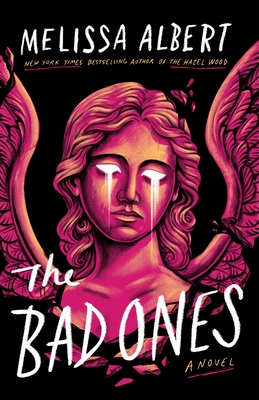
A Mystery That Starts with Disappearance
“The Bad Ones” opens with a disturbing event: one night, four people vanish from Nora’s small town. While the police dismiss it as coincidence, Nora knows better—one of the missing is Becca, her ex-best friend. The “ex” prefix is crucial: these aren’t close companions anymore, which adds emotional complexity to what might otherwise be a straightforward rescue mission. Something happened between them, creating distance and perhaps resentment, yet Nora still feels compelled to investigate.
The detail that Becca texted Nora to come over right before she disappeared adds urgency and guilt. Whatever estrangement existed between them, Becca reached out to Nora in what might have been her final moments of freedom. Did Becca know she was in danger? Was she asking for help? Did Nora’s failure to respond contribute to what happened? These questions drive both the mystery and Nora’s emotional journey.
Retracing Steps and Following Clues
The investigation structure—Nora retracing Becca’s steps and following clues Becca left behind—creates an intimate portrait of two girls’ intertwined lives. As Nora follows the trail, she’s not just solving a mystery; she’s revisiting their shared history, confronting whatever drove them apart, and perhaps discovering things about Becca she never knew.
The fact that Becca left clues specifically suggests she had some awareness of danger and some hope that Nora would come looking. This transforms the mystery from “what happened?” to “what was Becca trying to tell me?” and implies that Becca’s disappearance might not have been entirely involuntary or unpredictable—she knew something was coming and tried to prepare for it.
The Goddess Game: When Children’s Games Turn Dark
One of the novel’s most intriguing elements is the Goddess Game—described as a “popular children’s game” that somehow connects to the town’s dark history and the current disappearances. This detail taps into the unsettling reality that many children’s games have dark origins or can take on sinister dimensions when played in certain ways or by certain people.
The capitalization of “Goddess Game” suggests this isn’t just any game but something specific and perhaps ritualistic. The connection between a children’s game and adult disappearances raises disturbing questions: Are children playing with something dangerous without understanding it? Did the missing people get caught up in something that started as innocent play? Or is the game itself inherently dark, hiding its true nature behind a veneer of childhood fun?
Small-Town Secrets and Dark History
Albert sets her story in a small town with a “dark history”—a classic gothic and horror setup that suggests secrets buried beneath everyday normalcy. Small towns in fiction often harbor dark pasts precisely because their insular nature allows secrets to fester, with the same families and power structures perpetuating patterns across generations.
The discovery of this dark history through Becca’s clues means Nora is likely uncovering things the town has tried to forget or hide. This creates potential conflict not just with whatever supernatural or sinister force is at work, but also with townspeople who might not want these secrets revealed.
The Police’s Dismissal
The detail that police assume four simultaneous disappearances are “coincidence” is either willful blindness or evidence of corruption/complicity. Four people vanishing on the same night is statistically improbable enough that dismissing it as coincidence suggests either incompetence or deliberate cover-up. This leaves Nora isolated in her investigation—if the authorities won’t help, she must act alone or with whatever allies she can find.
Ex-Best Friends: Complicated Emotional Territory
The “ex-best friend” dynamic adds rich emotional complexity. Nora’s investigation isn’t just about saving someone; it’s about confronting a fractured relationship. What drove them apart? Does Nora still care about Becca despite their estrangement? Is there anger mixed with concern? Guilt about the falling out? Relief at having an excuse to reconnect?
This complicated emotional foundation makes Nora’s journey personal in ways that a straightforward friendship wouldn’t. She’s investigating someone who hurt her or whom she hurt, someone she knows intimately but might not understand anymore, someone she’s obligated to help but not necessarily eager to save.
A Race Against Time
The synopsis’s question—”Will Nora be able to save Becca and herself, before its too late?”—establishes both urgency and dual danger. The “before it’s too late” suggests a deadline, perhaps tied to the Goddess Game or whatever force caused the disappearances. More crucially, the inclusion of “herself” in the rescue mission reveals that Nora isn’t just investigating from safe distance—by following Becca’s trail, she’s walking into danger herself.
This raises the stakes considerably: the investigation might not just fail to save Becca; it might claim Nora too. The mystery becomes survival horror as Nora realizes she’s not just solving a puzzle but escaping a trap.
Themes of Power, Play, and Danger
“The Bad Ones” explores several resonant themes:
- Friendship and betrayal: The complicated aftermath of close relationships that end badly and whether those bonds can be reforged through crisis
- Games and reality: How play can become dangerous when it taps into real power or when players don’t understand what they’re really doing
- Small-town secrets: How communities hide their darkest moments and punish those who try to reveal them
- The power of belief: If the Goddess Game has real power, it’s likely because participants believe in and feed that power
- Personal agency vs. fate: Whether Becca chose to involve herself with dangerous forces or was a victim of circumstances beyond her control
- The cost of knowledge: Whether some truths are too dangerous to uncover
The Title’s Multiple Meanings
“The Bad Ones” is deliciously ambiguous. Who are the bad ones? The four who disappeared—were they targeted because they were “bad”? The forces behind the Goddess Game? The townspeople hiding the truth? Or perhaps those who play the Goddess Game become “bad ones”? The title suggests corruption and transformation—that involvement with these dark forces changes people in fundamental ways.
Atmosphere and Dread
Albert likely creates a pervasive atmosphere of dread and wrongness. The small-town setting, the children’s game with dark implications, the pattern of disappearances, and the buried history all contribute to a sense that something is fundamentally wrong beneath the surface of ordinary life.
The investigation structure allows for gradually escalating revelations—each clue Nora uncovers probably reveals something worse than what came before, building tension as she realizes the scope and danger of what she’s dealing with.
Questions About Complicity and Choice
A central mystery is likely why Becca was involved with the Goddess Game and whether she understood the danger. Did she stumble into something innocent that turned sinister? Was she deliberately courting danger? Did the game promise something she wanted? And crucially—does she want to be saved, or has she chosen this path?
These questions complicate Nora’s rescue mission. She might discover that Becca wasn’t an innocent victim but a willing participant in something dark, forcing her to decide whether to save someone who chose danger or let them face the consequences of their choices.
Perfect for Readers Who Love Dark Mysteries
“The Bad Ones” offers the kind of unsettling, atmospheric mystery that keeps readers turning pages late into the night. The combination of personal stakes (saving an ex-friend), supernatural elements (the Goddess Game), and small-town gothic horror creates multiple layers of tension and intrigue.
Albert’s approach likely balances psychological realism—the complicated emotions between former friends—with supernatural dread, creating a story that works both as character study and as horror mystery.
A Story About Dangerous Knowledge
Ultimately, “The Bad Ones” is about the dangerous things people uncover when they dig beneath the surface of normal life. Nora’s investigation reveals not just what happened to Becca but also truths about her town, about games that shouldn’t be played, and perhaps about the darkness in human nature itself.
The question of whether Nora can save both Becca and herself suggests that some knowledge is corrosive—that learning these truths puts Nora at risk of being corrupted or claimed by the same forces that took Becca. The story likely explores whether it’s possible to confront darkness without being changed by it, and whether saving someone else is worth losing yourself.
In a world where games can be deadly and where small towns hide terrible secrets, “The Bad Ones” reminds us that sometimes the most dangerous thing we can do is investigate too deeply into things we don’t fully understand—but sometimes, love or loyalty demands we take that risk anyway.