
Confinement as Crucible
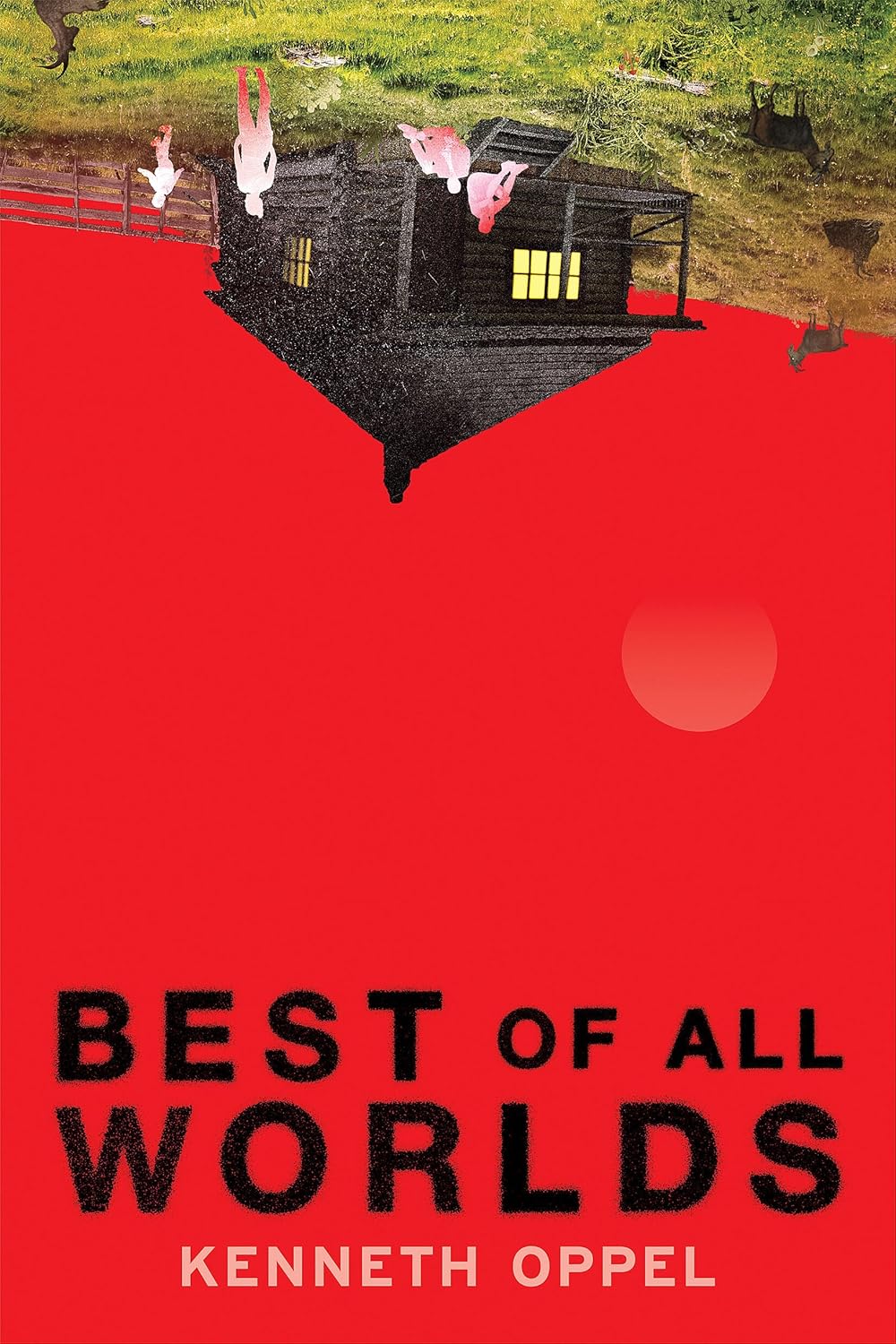
Oppel is a masterful architect of confined-space tension, and he uses the dome with precision. The mystery of how they got there, who put them there, and what the cryptic assistance means accumulates pressure across the novel’s early sections. But the more interesting pressure is interpersonal: Xavier and his father have unresolved history, a new baby is coming, and the specific friction of a blended family is amplified to an almost unbearable degree when there’s nowhere to go and nothing to distract from it.
This is one of the novel’s quieter strengths. The science fiction premise is gripping, but Oppel never lets it eclipse the human drama at the story’s center. The dome forces the family to confront what the ordinary routines of life allowed them to avoid.
When the Other Family Arrives
Years into their confinement, another family appears in the dome—and they may not be friendly. This development introduces a new layer of threat and complicates the novel’s questions about trust, territory, and what community looks like when survival is at stake. It also forces Xavier to think about what his own family has built over the years in the dome, and what he’s willing to do to protect it.
Oppel at His Best
Kenneth Oppel has a long track record of sci-fi and speculative fiction that blends high-concept premises with grounded human stakes (“Airborn,” “This Dark Endeavor”), and “Best of All Worlds” fits squarely in that tradition. The pacing is relentless, the mystery is genuinely puzzling, and the emotional core—a teenage boy learning to live with a family he didn’t choose, under circumstances none of them chose—gives the novel weight beyond its genre pleasures.
Perfect For
High school readers (Grades 9–12) who love sci-fi, survival stories, and character-driven suspense. A natural discussion text for questions about family dynamics, survival ethics, trust, and what we owe to strangers in crisis. Fans of “The Martian,” “Lord of the Flies,” or any story that uses extreme circumstances to reveal who people really are.